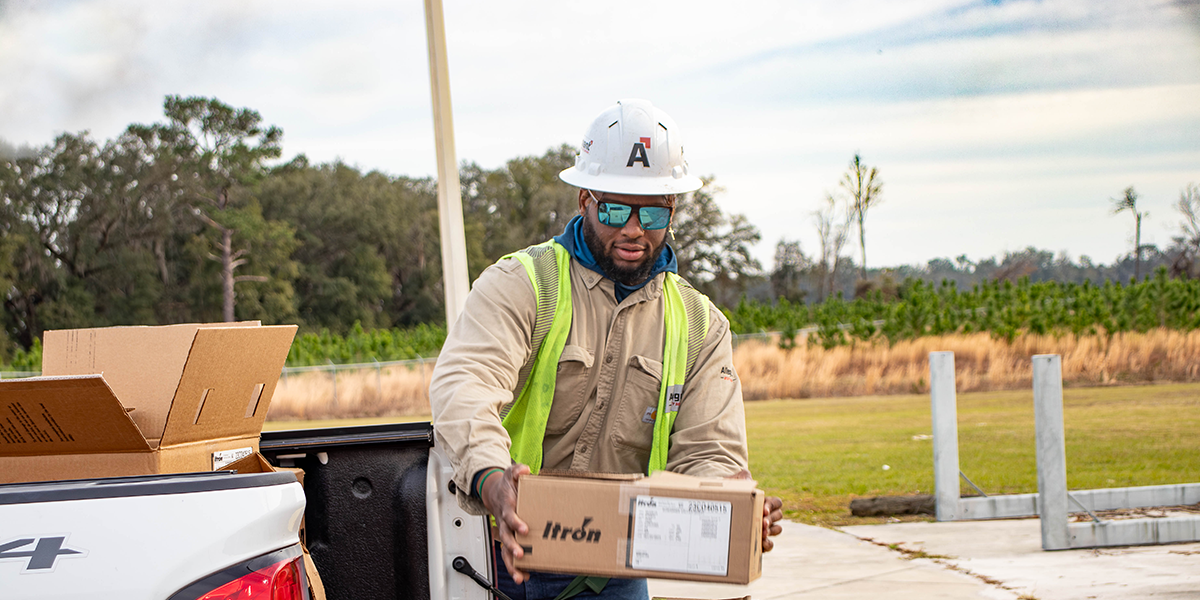
Advanced meters are typically justified by what they replace: manual reads, estimated bills and routine field checks. At Suwannee Valley Electric Cooperative (SVEC), the greater value lies in what advanced metering infrastructure (AMI) data reveal before a member ever calls.
Once used primarily for billing, the cooperative’s meters are now central to daily operations. Staff rely on AMI data to review usage inquiries, identify failing equipment and validate service issues more accurately and quickly. The shift required more than a technology upgrade; it required a change in mindset, Chief Operating Officer Trevor Touchton said.
“We didn’t upgrade meters just to get reads faster,” Touchton said. “The real value is what you can see and act on before something turns into a bigger problem.”
SVEC serves more than 28,000 members across four Florida counties, operating about 4,100 miles of distribution line over 2,100 square miles. The cooperative deployed its current AMI system between late 2023 and early 2024, replacing an older power line carrier system with a radio frequency mesh network.
Faster Resolution of High-Bill Complaints
One of the most immediate changes has been how the cooperative handles usage inquiries. Instead of relying on monthly totals or installing temporary recording meters, trained member service representatives can review interval and on-demand data while speaking with members.
Staff can view voltage, current, demand and energy use in near real time. In many cases, they ask members to turn breakers off and on while watching load changes as they occur. This approach has helped identify nonstop well pumps, underground water leaks and malfunctioning equipment that increased usage without the member’s knowledge.
Touchton noted that access to real-time data also changes the tone of those conversations.
“You can literally watch the load change while you’re talking to the member,” he said. “Instead of disputing whether the bill is right, you’re working together to understand what’s driving it.”
Using Temperature Data, Photos To Diagnose Problems
Another operational benefit comes from pairing AMI data with installation photos captured during meter deployment. Contractors documented each site with before-and-after images, including close-ups of meter bases, lugs and wiring. The photos are stored with each account and integrated into the cooperative’s systems.
The AMI platform continuously monitors meter temperature and generates alarms when readings exceed established thresholds. When an alert appears, staff can review current meter data alongside historical photos to understand what may be happening at the site.
“That combination has been huge for us,” Touchton said. “I can see a temperature alarm, pull up the photos from the install and often spot the connection that’s likely causing the problem before we ever roll a truck.”
In many cases, issues are identified before a member notices a problem. Crews are dispatched proactively, rather than in response to a report, with documentation that helps explain the situation. Photos also help staff communicate clearly with line crews and members about what was found and why action was required.
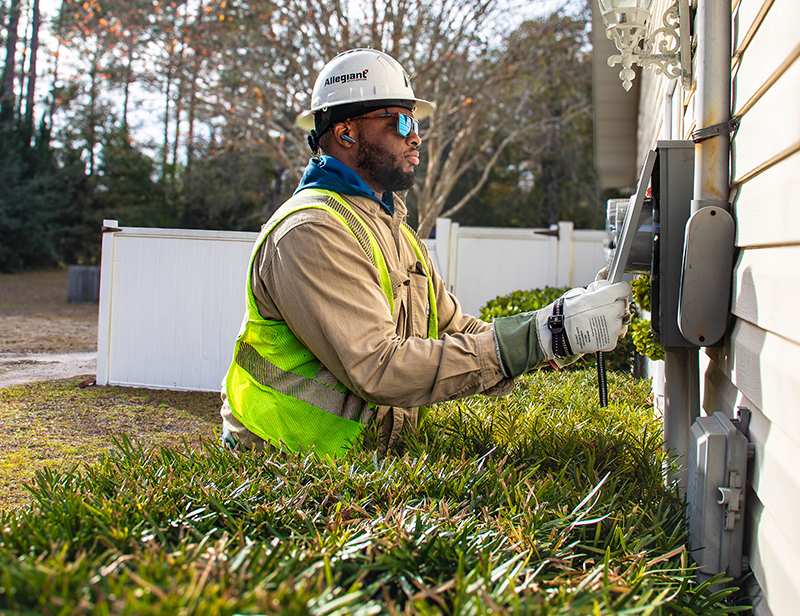 Cole replaces a meter for SVEC.
Better Targeting of Field Work
Before AMI, intermittent voltage complaints were often investigated by installing temporary recording meters. Frequently, those recorders showed no issues because problems were corrected during installation.
With systemwide interval power quality data now available, SVEC can review minimum, maximum and instantaneous voltage values collected every 15 minutes. Staff can determine whether a complaint reflects an actual issue or normal variation. When crews roll a truck, they arrive with a clearer understanding of what they are likely to encounter.
Deployment photos also help resolve disputes. If a member claims damage or a newly created issue, staff can reference time-stamped images showing the condition of the meter base and connections at installation. That documentation shortens investigations and helps protect the cooperative.
Rethinking the Role of AMI
Touchton cautioned that AMI investments deliver value only when staff actively use the data.
“If you’re just swapping meters so you can send a bill every month, it’s probably not worth it,” he said. “You have to change how your staff uses the information.”
At SVEC, AMI has become less about technology and more about visibility. By combining interval data, real-time reads, temperature monitoring and installation photos, the cooperative has improved how staff understand system conditions and respond before small issues grow into larger problems.