- Main
-
On Halloween, the ghost of housing costs went door to door. First, it rattled the renters’ windows with another rent hike. I stayed quiet; I owned a home. Then came the knocks at my door: property taxes, insurance, repairs and HOA dues, each demanding a bigger share. I thought my low mortgage rate and rising home value would keep the monsters away. Turns out, they were already inside. For many homeowners, the scariest part of owning a home now is everything the mortgage payment doesn’t cover.
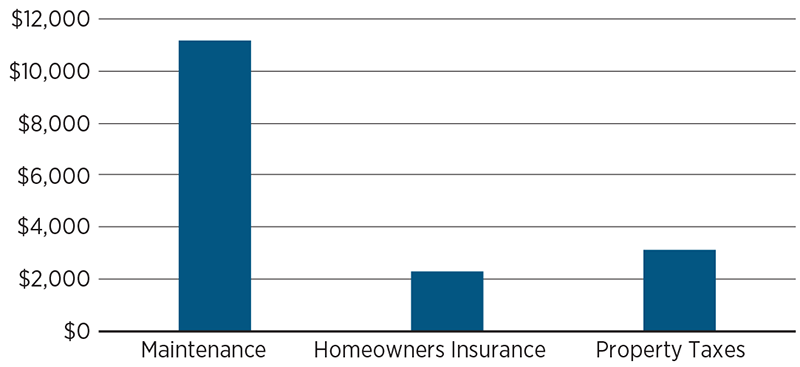
The numbers give that ghost a shape. Zillow and Thumbtack estimate that maintenance, homeowners insurance and property taxes now cost the typical U.S. homeowner $16,566 a year—about $1,380 a month beyond the mortgage. Those expenses have risen nearly 32% in five years. Maintenance alone accounts for about $11,171 annually; insurance adds $2,266 and property taxes another $3,129. And that tally leaves out HOA dues, which can bring another recurring bill or a special assessment when the association’s own costs spike.
A low fixed mortgage rate can feel like a protective charm. But it freezes only one part of the monthly budget. Insurance premiums have risen 54% in five years in Zillow and Thumbtack’s analysis, while property taxes and upkeep keep adding pressure. A home may gain value on paper, but that equity does not automatically pay the insurance bill, replace a roof or cover a sudden increase in HOA fees.
For households in homeowners’ associations, the costs can arrive by proxy. Associations pay to insure and maintain shared buildings, roads, landscaping and amenities. When those expenses rise, owners may face higher dues or special assessments. The bill may come from the HOA, but the economic forces behind it are familiar: higher insurance, labor and repair costs.
The strain is also changing local politics. Homeowners are pushing to cap property taxes and asking data centers to shoulder more of the cost of growth. Yet tax cuts can leave communities with less money for schools and other services. There is no easy spell that makes these costs disappear. Homeownership can still build wealth and offer stability. But the old shorthand no longer tells the whole story. The monster under the bed may be imaginary, but the one in the homeownership budget sends an invoice.
economy
November 2, 2026
Homeownership: Trick or Treat?
Annual Costs Beyond the Mortgage
Source: Zillow and Thumbtack.