economy
September 26, 2022
U.S. Dollar: A Twisted Tale of Wealth and Woe
We’ve all recently heard that the U.S. dollar is appreciating against nearly all currencies. As dollar holders, one would think Americans must feel financially better off, but a conversation with an ordinary American would tell you otherwise. Why? Because there are two sides to the story.
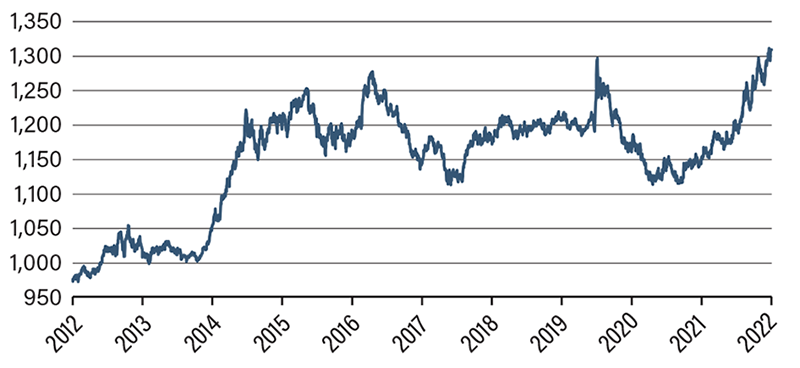
First, let’s look at the obvious side: foreign exchange. It is a common misconception that an appreciating dollar means the U.S. economy is doing better than others. The price of a currency as expressed in its exchange value is determined by supply and demand just like any other goods and services. With the current monetary tightening, U.S. money supply has decreased although it’s still significantly above pre-COVID levels. Thus, there’s no supply shortage. That means demand is driving up the value of the dollar.
The factors that drive demand for a currency are more complicated than those for a typical good. This is especially true for the U.S. dollar given its status as the world’s reserve currency and the most-used denomination in international trade. Currently, global uncertainty is driving up demand for the dollar, which is a safe-haven denomination thanks to its unmatched use in trade, guaranteeing that there is always demand for it. Additionally, the Federal Reserve, despite its recent miscalculation with inflation, is among the most credible central banks, meaning markets can always count on our currency stability. All of these traits make the U.S. dollar one of the surest bets, and in times of global uncertainty, investors flee to safe havens.
Now, let’s turn our focus to the domestic side: the value of the U.S. dollar versus the cost of our everyday goods and services. The U.S. dollar can buy more in foreign currencies today, but it certainly affords us a lot fewer goods and services on our home shores thanks to inflation. The appreciation of the dollar in the exchange market makes imports relatively cheaper for American consumers, but our largest expense is housing, which is domestic. Also, we are a service-based economy, meaning we largely spend on services, which are also domestic. If the rising dollar doesn’t make you feel better off, that’s because there are two sides to every story—and you have inflation to thank for the American side.
U.S. Dollar Has Risen in Good Times and Bad Times