- Main
-
As electricity demand rises, electric cooperatives are looking for flexible resources that can ease grid strain and defer costly investments in generation and infrastructure. Battery-enabled heat pumps could offer one option. The systems pair high-efficiency heating and cooling equipment with energy storage, potentially giving cooperatives a new way to manage peak demand while supporting member comfort and resilience.
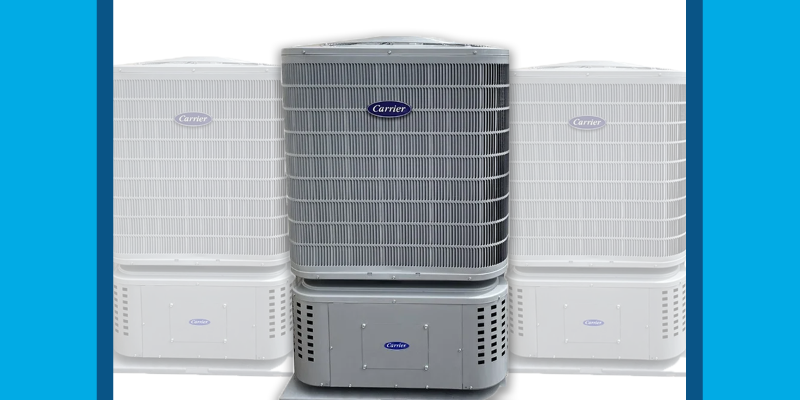
Traditional heat pumps provide efficient heating and cooling while reducing reliance on fossil fuels. Battery-enabled models add storage to the heating, ventilation and air conditioning (HVAC) system. The unit can store electricity when demand and prices are low, then use it during peak periods. That capability could turn a large household load into a distributed energy resource.
Carrier began field trials of battery-enabled HVAC systems in U.S. homes in 2025. The trials are evaluating whether integrated batteries and variable-speed heat pumps can shift electricity use away from peak periods without compromising homeowner comfort. Carrier estimates that more than 30 million of its HVAC systems are installed in North American homes. If similar technology were deployed across those systems, the company estimates they could provide more than 100 gigawatts of flexible demand.
The Electric Power Research Institute (EPRI), a nonprofit energy research organization that works with utilities, is helping evaluate and validate the trial data. Its analysis covers load shifting, demand response performance, emissions impacts and grid benefits. Independent, real-world results could help utilities assess whether to invest in the technology and related member programs.
The potential value is especially relevant for cooperatives facing higher peak demand from economic development, industrial loads, electric vehicles and data centers. Meeting those peaks can require new substations, distribution upgrades or additional wholesale power capacity. Battery-enabled heat pumps could provide another option by reducing demand when the system is under the most strain.
The technology could also complement cooperative demand response programs. Rather than cycling air conditioners during peak events, a cooperative could potentially dispatch stored energy from many residential HVAC batteries. Members could maintain comfort while the cooperative gains a flexible resource to help lower demand charges and support reliability. Where renewable generation is growing, the systems also could store excess solar energy for use when demand increases.
Key questions remain about cost, member adoption and program design. Battery costs will influence the economics, and cooperatives will need to determine how to compensate participating members. If EPRI’s research and the field trials confirm the expected benefits, battery-enabled heat pumps could help cooperatives manage growth, support reliability, integrate renewable energy and defer infrastructure investments.
energy-tech
September 8, 2026
Battery-Enabled Heat Pumps Could Help Co-ops Manage Growth