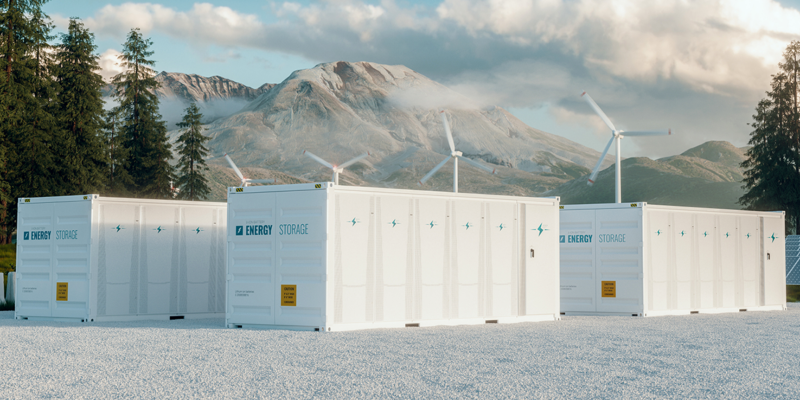
Battery energy storage is becoming critical infrastructure as electric cooperatives and other utilities respond to rapid load growth, reliability needs and supply chain risk. For cooperative leaders, the opportunity is significant, but project economics and procurement decisions increasingly depend on domestic manufacturing capacity, trade policy and access to key components.
A few years ago, battery energy storage was viewed primarily as a tool for integrating renewable energy and firming intermittent resources. Its role has since expanded to support load growth, strengthen grid reliability, improve resilience and enhance U.S. energy security. One major driver is the rapid growth of hyperscale data centers, which require reliable, around-the-clock power.
In response, developers are increasingly pursuing “bring your own generation” strategies that combine battery storage with natural gas, solar or wind resources. These projects can support large new loads while reducing dependence on an increasingly constrained grid.
Deployment Reaches New Milestones
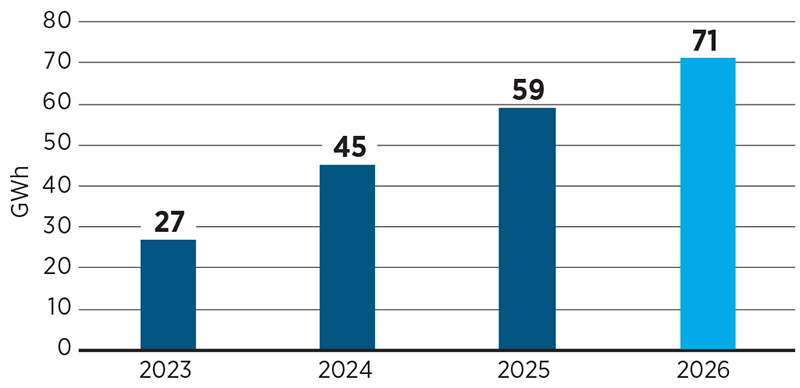
U.S. deployment of battery energy storage systems (BESS) continues to accelerate. By the end of 2025, about 59 GWh of battery energy storage capacity was deployed, up 30% from installed capacity in 2024. In the first half of 2026, 10 GW, or 31 GWh, of BESS began operating in 10 states. Arizona, California, Utah and Texas led the way.
Utility-scale projects dominate the market, with a nearly even mix of standalone and co-located systems. These projects help utilities manage load growth, maintain reliability on peak-demand days and integrate increasing volumes of renewable generation.
US BESS Annual Installed Capacity, GWh
Domestic Manufacturing Grows, Global Exposure Remains
Rapid deployment is exposing a critical question: Can the supply chain keep pace? Much of the underlying supply chain remains global. Battery cells, inverters, power conversion systems and critical minerals have historically come from overseas suppliers, particularly China.
Over the past five years, rising demand and support for domestic manufacturing has helped establish a substantial U.S. battery manufacturing industry. The U.S. now has 30 operational battery cell factories with more than 242 GWh of manufacturing capacity.
Even as domestic capacity expands, developers face tariffs, supply chain bottlenecks, component sourcing challenges and evolving trade policies. Growing demand from large energy users, particularly data centers, is adding pressure and accelerating investment across the value chain, from mineral processing and cell manufacturing to system integration and project deployment.
Together, strong demand and supply chain uncertainty are reshaping how utilities, developers and policymakers approach energy storage procurement and long-term energy security.
World Battery Minerals, Materials Trade by Region, 2023
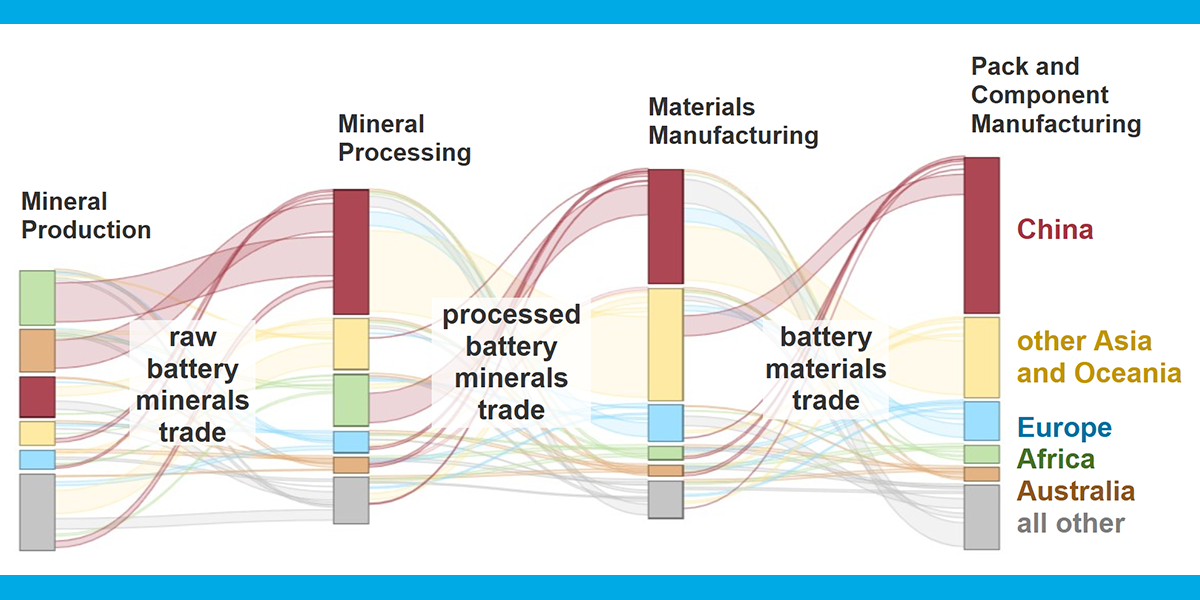 SOURCE: U.S. Energy Information Administration.
Policy Creates Opportunity, Near-Term Cost Pressure
Federal policymakers increasingly view battery manufacturing as an economic competitiveness and national security priority as well as an energy issue. Over the past five years, federal incentives and manufacturing programs have supported domestic production and efforts to reduce dependence on foreign suppliers.
Tax credits established under recent federal legislation, which include domestic content requirements and manufacturing incentives, have encouraged investment across the battery value chain, from critical minerals processing to cell manufacturing and system assembly. Policymakers are also implementing foreign entity of concern requirements and tariffs intended to reduce reliance on foreign suppliers and strengthen domestic production.
These measures may create long-term opportunities for manufacturers, but they could also increase short- to medium-term costs for developers seeking to scale BESS projects quickly.
What Cooperative Leaders Should Watch
For electric cooperatives, BESS are becoming both an operational tool and a strategic planning consideration. Battery storage can help defer infrastructure upgrades, manage peak demand, improve outage resilience and support renewable integration.
At the same time, domestic content requirements, supply chain constraints and federal policy changes may affect project economics and procurement strategies. As storage technologies become more widely available and manufacturing capacity expands, cooperative leaders will have more opportunities to evaluate where storage can deliver the greatest value for their systems and members.