Co-op News
December 1, 2025
GRE Pilots Virtual Energy Audits To Enhance Efficiency
Electric cooperatives have long used in-home energy audits to help members save money and identify opportunities for efficiency. Traditionally, this meant sending a staff member to conduct blower door tests, inspect insulation and recommend upgrades. While effective, this approach can be time-consuming, expensive and hard to scale.
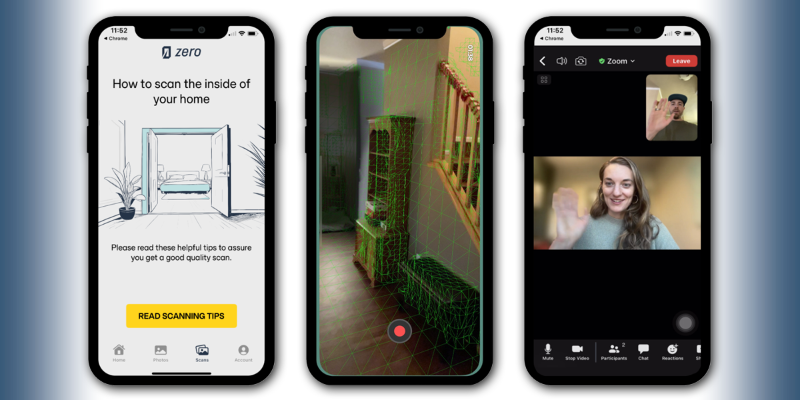
Great River Energy (GRE), a generation and transmission cooperative serving 26 member-owners across Minnesota, is piloting a new approach: virtual energy audits. By partnering with the company Zero Homes, GRE is testing a program that uses smartphone scans, photos and videos to build a digital model of a home. From there, a certified energy adviser reviews the data with the member, helping them understand heating and cooling loads, electrification options and potential upgrades.
A Smarter Way to Audit
According to Jaime Stallman, member strategist at GRE, the technology solves both consistency and scale challenges.
“Traditional audits can vary depending on the person doing them,” Stallman said. “Some focus more on HVAC, others on lighting. The virtual audit uses Department of Energy-approved, ACCA-accredited software to calculate heating and cooling loads with remarkable accuracy. That consistency helps us serve members more efficiently, especially across large rural territories.”
Members use the app to capture images of their heating system, water heater, electrical panel and appliances, along with a walk-through video. The software creates 2D and 3D models, detects missing rooms and flags discrepancies. Advisers then meet virtually with the member to review findings.
“It is still a human experience,” Stallman said. “You talk with an energy adviser, but you do not have to wait for someone to drive six hours to your house.”
Beyond Audits: Toward Streamlined Electrification
Zero Homes describes itself as a virtual general contractor. Once the audit is complete, it provides a certified Manual J report, recommends equipment sizing and connects members with local contractors for installation. That can include heat pumps, water heaters, panel upgrades and even electric vehicle charging equipment.
“This streamlines a process that can otherwise overwhelm homeowners,” Stallman noted. “Instead of juggling multiple bids and conflicting advice, the member gets a clear plan and a local contractor who can install it.”
Jeff Haase, GRE’s director of member services, sees this as an opportunity to meet members where they are.
“Too often, people wait until their air conditioner fails in August and then take whatever option the contractor has in the truck,” Haase said. “With this approach, we can get ahead of that cycle and help members proactively consider heat pumps and other technologies.” “There is a growing group we call air-source heat pump curious, people interested but hesitant. This program gives them answers before they are in crisis.”
Early Results, Cooperative Value
GRE is piloting the program with four distribution cooperatives, branded locally as Amped to Save. While only a handful of audits have been completed so far in Minnesota. Costs are competitive. Initial audits run around $350, comparable to in-person assessments, with prices expected to fall as volume increases. For contractors, the model offers guaranteed work without the burden of marketing, sales or manual system sizing.
Haase emphasized that cooperatives retain control of the member relationship.
“This is not about replacing local contractors,” he said. “It is about giving them a streamlined pathway to serve members, while giving members trusted options under the cooperative brand.”
Looking Ahead
As GRE refines its pilot, broader integration is on the horizon. Work is underway to allow qualified members to finance projects directly on their electric bill. GRE is also exploring how the platform could extend into solar, EVs and battery storage.
Virtual energy audits represent an emerging option that can reduce costs, increase member satisfaction and accelerate adoption of electrified technologies, all while strengthening the cooperative’s role as a trusted energy partner.
As Stallman put it, “This is a tool in the toolbox. Not every member will choose it, but for many, it makes the path to energy savings and electrification simpler, faster and more accessible.”