Electric cooperatives across the United States face a widening workforce gap. An aging labor force, rising competition for skilled trades and the technical demands of modern grid systems are increasing pressure on cooperatives to recruit and train the next generation of employees. By 2030, an estimated 18% of the cooperative workforce is expected to retire, including more than 3,300 line workers and operations employees.
Closing that gap will require more than reactive hiring. Cooperatives need a long-term workforce strategy that expands awareness of cooperative careers, reaches a broader range of candidates and connects training directly to the skills modern systems require. The Virginia, Maryland & Delaware Association of Electric Cooperatives (VMDAEC) offers a useful example of how targeted programs can support that pipeline.
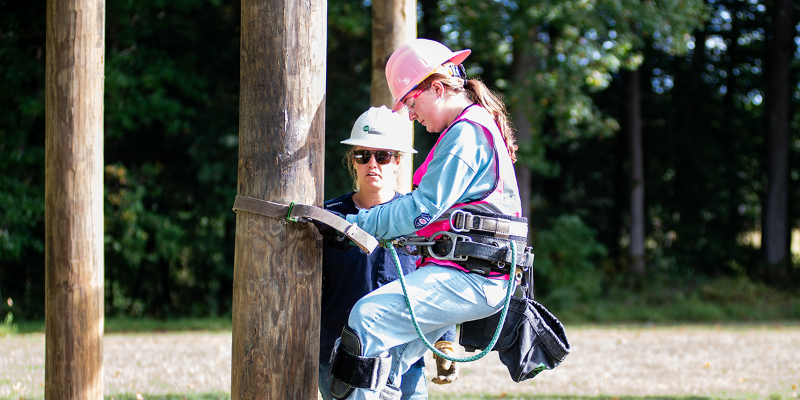
VMDAEC’s Girl Power® Camp introduces young women to energy careers through hands-on experiences and direct exposure to cooperative professionals. The program addresses a clear talent-pool constraint: linework and technical roles remain heavily male-dominated. Women make up about 27% of the U.S. energy workforce, but less than 5% of line workers.
“These programs are about reaching young women early and showing them that there’s a place for them in this industry,” VMDAEC Director of Education & Meetings Brandon Burton said.
Early exposure matters because many students and job seekers are unfamiliar with the range of cooperative careers, from engineering and information technology to field operations. Programs such as Girl Power Camp serve as outreach tools while helping cooperatives broaden the future candidate pool. Over time, that visibility can help position cooperative careers as stable, mission-driven work rooted in community service.
Training partnerships convert that awareness into career-ready pathways. Through its training center, VMDAEC works with community colleges and technical institutes to support apprenticeship and certification programs tailored to cooperative needs. These partnerships align curriculum with real-world job requirements, from power line maintenance to advanced grid technologies. Apprenticeships are especially valuable because they combine classroom instruction with paid, hands-on experience.
 Trainees learn the skills needed to maintain modern systems.
“This approach reduces onboarding challenges and strengthens retention by helping participants build early connections to the communities they serve,” VMDAEC Director of Safety & Training Rachael Freeman said.
Recruitment alone will not close the workforce gap. Cooperatives also need to retain new employees and transfer institutional knowledge as experienced workers retire. Mentorship within apprenticeship and training programs gives seasoned employees a structured way to share technical expertise, safety practices and community knowledge with newer workers.
VMDAEC’s approach shows how cooperatives can move from short-term hiring responses to long-term pipeline development. By combining early outreach, targeted inclusion, education partnerships and mentorship, electric cooperatives can better prepare a workforce capable of meeting evolving energy demands.